Core Keywords: Chinese suppliers, online sourcing, Alibaba, AliExpress, DHgate, Google search, cross-border procurement, OEM/ODM, finding suppliers via social media, small-batch sourcing, dropshipping.
Due to global shifts in travel and trade, many overseas importers are turning to digital channels as the primary way to find reliable Chinese suppliers. China offers a comprehensive manufacturing supply chain; by leveraging professional e-commerce platforms, search engines, and social networks, buyers can efficiently connect with factories and traders to meet various scales, budgets, and cooperation needs. This article details the core methods for locating Chinese suppliers online, outlining the best scenarios and practical tips for each channel to help international buyers achieve precision matching.
1. Utilizing Professional Wholesale Platforms for Targeted Sourcing
Wholesale e-commerce platforms are the primary choice for connecting with Chinese suppliers. Different platforms cater to bulk orders, small-batch trials, or dropshipping, most of which include buyer protection mechanisms to mitigate risks.
(1) Alibaba: The Top Choice for Long-term B2B Bulk Cooperation
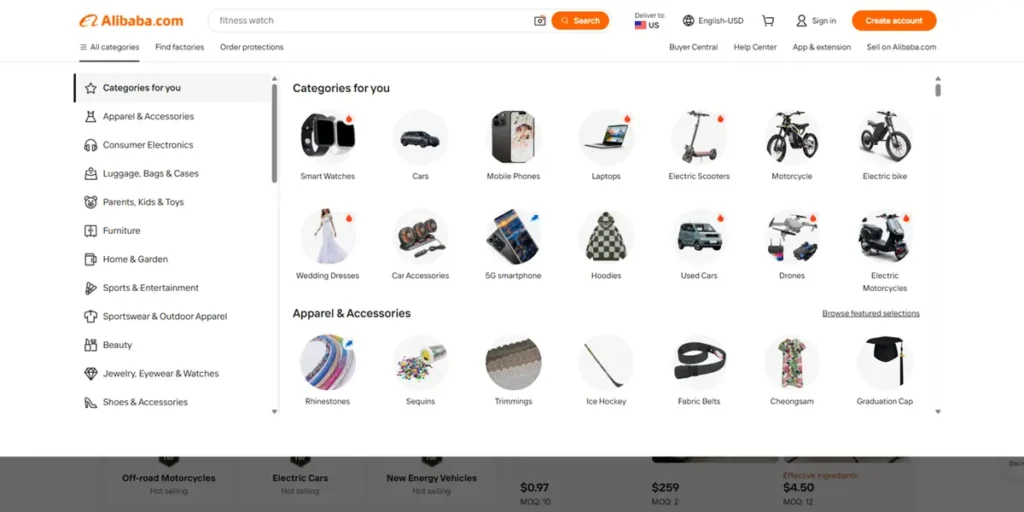
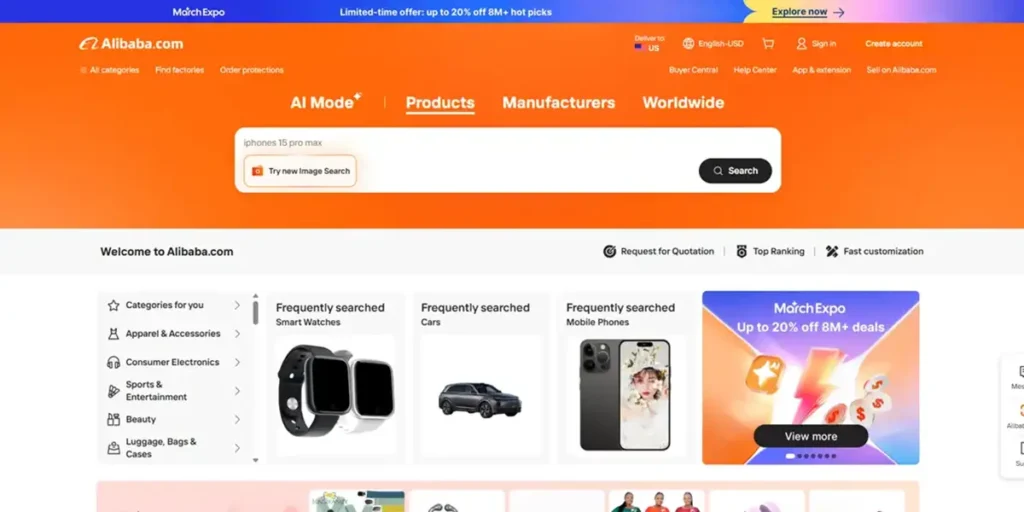
Alibaba.com is ideal for buyers with sufficient budgets planning long-term commercial partnerships. It hosts a massive array of product categories and supplier resources. While it excels in large-scale wholesale, many suppliers also support small-batch customization, covering the full lifecycle from initial trial orders to late-stage mass production.
On Alibaba, buyers can easily obtain detailed contact information to negotiate order quantities, pricing, and OEM/ODM requirements. Additionally, the “Trade Assurance” service protects buyers by offering refunds if shipping is delayed or product quality does not meet the agreed standards.
(2) AliExpress & DHgate: Best for Small Batches and Low Budgets
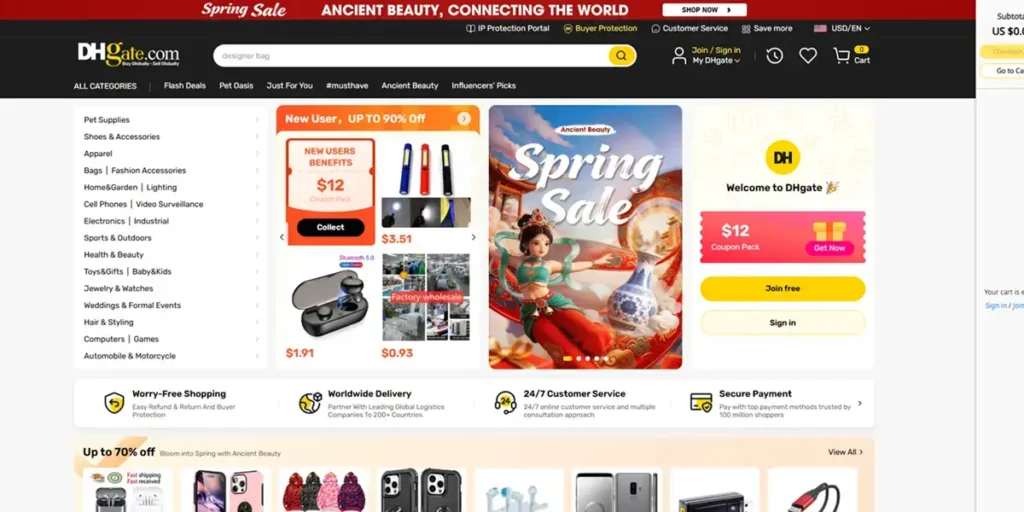
If you require small quantities or have a limited initial budget, AliExpress and DHgate are the optimal choices. Both platforms are designed for low-volume buyers with virtually no Minimum Order Quantity (MOQ) restrictions. Buyers can place orders instantly based on store ratings and reviews.
| Dimension | AliExpress | DHgate |
| Pricing Strategy | Ideal for orders under $100; deeper discounts | Better suited for orders over $100 |
| MOQ | None | None |
| Logistics | Provides specific estimated arrival times | Provides an arrival time range |
| Dropshipping | High compatibility; massive supplier directory | Supports dropshipping business |
| Buyer Protection | Robust protection services | Robust protection services |
For startups planning a dropshipping model, AliExpress is often the preferred starting point due to its mature ecosystem and specialized supplier resources.
2. Direct Sourcing via Google Search
Google remains a powerful tool for finding source factories and traders. An increasing number of Chinese companies maintain official websites to showcase their qualifications and product catalogs.
By using precise industry keywords combined with terms like “China factory,” “manufacturer,” “wholesale,” “bulk,” “ODM,” or “OEM,” buyers can bypass some middlemen. For example, searching for “[Product Name] China factory OEM” can quickly filter for suppliers with genuine manufacturing and design capabilities.
3. Leveraging Social Networks to Discover Potential Partners
Platforms like LinkedIn and Facebook are effective avenues for finding suppliers. To increase brand exposure, many Chinese exporters frequently update their corporate news, product launches, and service offerings on these sites.
Through social media, buyers can get a more intuitive sense of a supplier’s corporate strength, product update frequency, and previous case studies. This adds a layer of transparency before moving to formal negotiations regarding product details and order scales.
Summary
Successfully finding Chinese suppliers online involves matching your specific needs to the right channel. Alibaba is the gold standard for bulk, long-term partnerships; AliExpress and DHgate are perfect for small-batch testing; Google is the key to finding source resources directly; and social media serves as a vital supplementary tool for vetting potential partners.