
The ability to emit light continuously at night without electricity is becoming the standard solution for municipal infrastructure, scenic areas, landscaping, architecture, and public safety. By 2026, self-luminous materials—thanks to their zero-energy consumption, maintenance-free, and high-safety characteristics—will have evolved from niche decorative elements into practical materials for large-scale implementation. Drawing on frontline project experience, this article systematically outlines the full-scenario applications of self-luminous materials to help you quickly identify suitable solutions and implement projects.
Applications of Self-Luminous Materials in Municipal Roadways: Focusing on Cost Reduction and Efficiency, Addressing Lighting Pain Points
Municipal roads represent one of the most essential and widespread application scenarios for self-luminous materials. They address core pain points such as insufficient nighttime lighting, high energy consumption, and difficult maintenance, while balancing traffic safety and cost control.
Breakdown of Core Application Scenarios
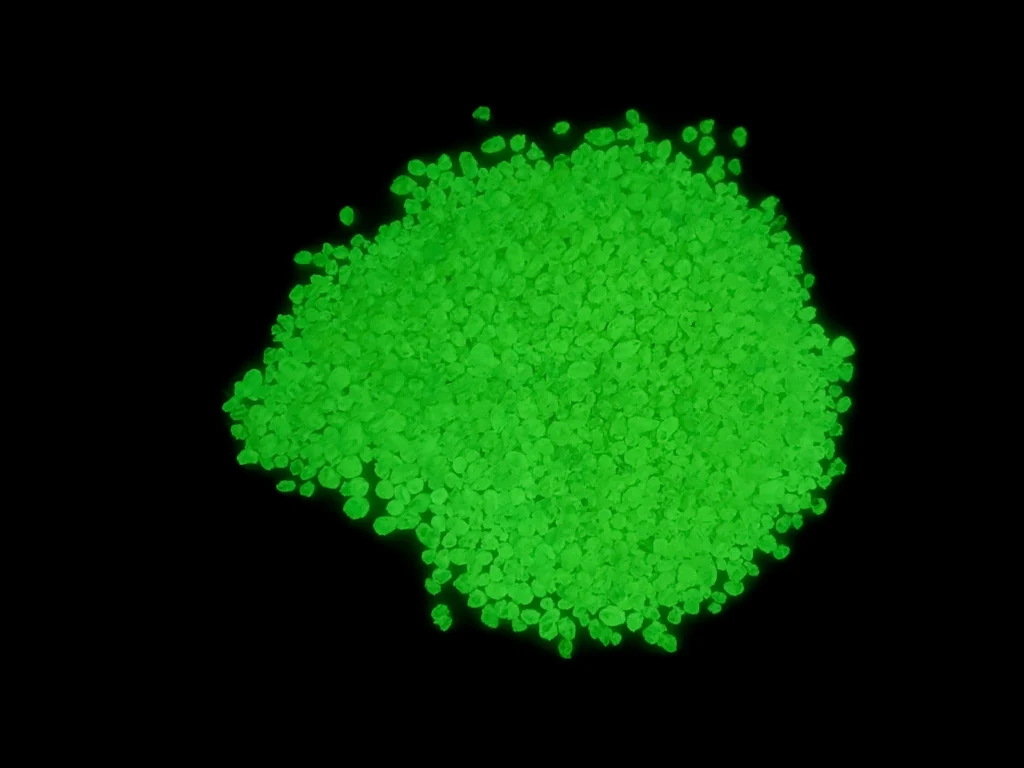
- Fitness Trails, Greenways, and Bicycle Lanes: Self-luminous particles and bricks create glow-in-the-dark surfaces. After absorbing light for just 20 minutes during the day, they emit high initial brightness with an afterglow lasting 8–12 hours or more (visibility remains adequate even 10 minutes later). This can replace some streetlights, significantly reducing operational and maintenance costs.
- Rural Roads and Scenic Area Access Roads: Self-luminous road studs and luminous landmark bricks enhance road edge visibility, with a service life of over 20 years, thereby reducing nighttime traffic accidents.
- Tunnels and underground passages: These surfaces emit continuous light in power-free environments without the need for wiring, eliminating lighting blind spots in underground spaces and enhancing safety for pedestrians and vehicles.
In a recent rural road project we completed in Henan, the adoption of self-luminous pavement increased nighttime lighting coverage by 80% and reduced annual electricity and maintenance costs by over 60%.Furthermore, according to a CMA/CNAS testing report from the third-party testing agency (Yingshanhong Smart Testing), the afterglow duration and weather resistance of the self-luminous materials used in this project meet the requirements of the GB/T 24981.1-2010 national standard. The fire safety-related self-luminous products also comply with the relevant requirements of the GB 13495 series for fire safety signs.
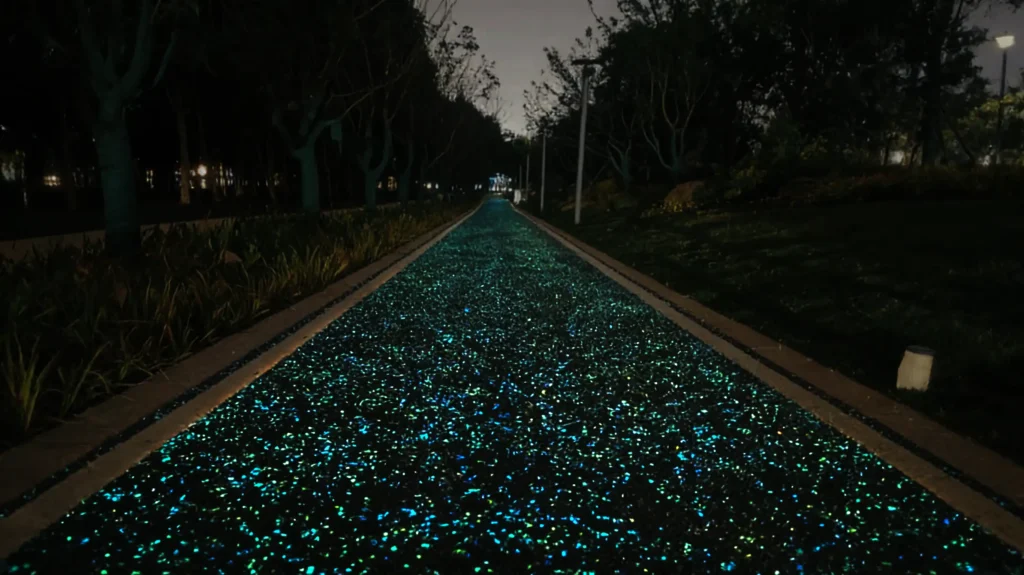
Applications of Self-Luminous Materials in Cultural and Tourism Scenic Areas and the Nighttime Economy: Creating Attractions to Drive Traffic and Enhancing the Experience
As the nation vigorously promotes the development of the nighttime cultural and tourism economy in 2026 and supports the upgrading and renovation of nighttime cultural and tourism consumption clusters, self-luminous materials have become a hit for attracting visitors to scenic areas. They address the core pain points of monotonous lighting and lackluster experiences in nighttime tourism scenarios, while balancing aesthetic appeal with low costs.
Key Application Scenarios
- Starlit Walkways and Instagrammable Spots: Using self-luminous stones and glowing patterns to create immersive nighttime landscapes. These materials feature strong weather resistance, high initial brightness, and an afterglow lasting 8–12 hours or more (with brightness remaining visible 10 minutes after activation), making them key photo spots for visitors.
- Landscape Water Features and Lawn Decorations: Luminescent plants and animals, glowing lotus flowers, and self-illuminating ornaments adorn the environment. Requiring no additional lighting or maintenance, they create a stunning, dreamlike atmosphere.
- Scenic Area Entrances and Themed Towns: Illuminated gateways and colorful signage enhance visibility and reinforce brand identity. With a strong visual impact at night, these elements help scenic areas build their own unique IP.
Actual data shows that scenic areas equipped with self-illuminating landscapes see an average increase of over 30% in nighttime visitor traffic. A scenic area manager reported: “After the self-illuminating starlit walkway was installed, the average length of stay for nighttime visitors increased by 40%, and short video views skyrocketed, making it a new local landmark for nighttime tourism.”
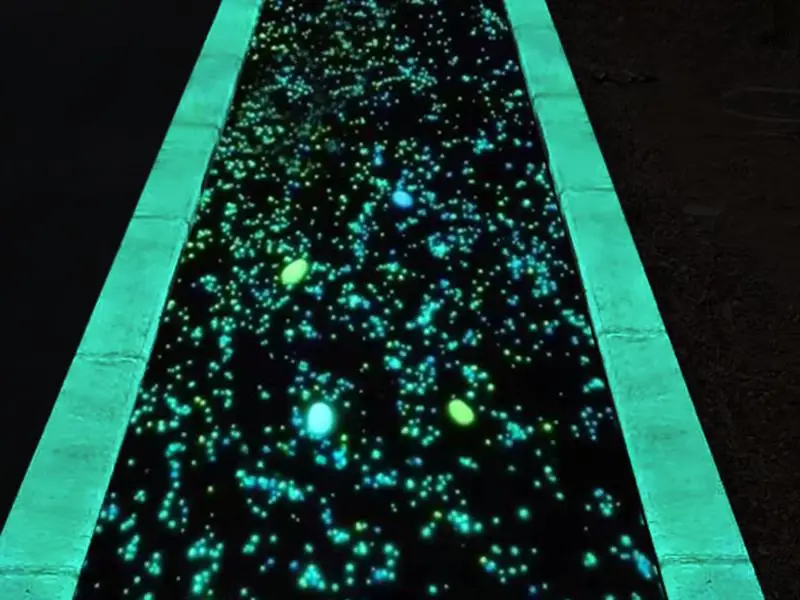
Applications of Self-Luminous Materials in Landscape Architecture and Residential Environments: Balancing Aesthetics and Safety While Reducing Maintenance Costs
The core requirements for landscaping and residential environments are aesthetics, safety, and low cost. Self-illuminating materials perfectly meet these needs, addressing the issues of complex wiring, high maintenance costs, and significant nighttime safety hazards associated with traditional landscape lighting.
Key Application Scenarios
- Park Pathways and Plaza Surfaces: Self-luminous bricks, adhesive stones, and luminous particles create a soft nighttime ambiance. With a lifespan of over 20 years, they require no electricity, feature high initial brightness, and maintain afterglow for 8–12 hours or more (remaining visible 10 minutes after activation), thereby enhancing the quality of life.
- Stairs, ramps, and waterfront areas: Self-luminous warning strips and landmark tiles prevent safety hazards such as tripping and falling into water. Clearly visible at night, they safeguard residents’ safety while walking.
- Villa and townhouse exteriors: EPS moldings and European-style illuminated ornaments elevate architectural aesthetics, enhance nighttime visibility, and are maintenance-free and easy to clean.
Feedback from a real estate project after handover: “The self-illuminating landscape features require no electricity, cause no disturbance to residents, and are highly weather-resistant. Homeowner satisfaction has significantly improved, and with virtually no maintenance costs, the pressure on property management has been greatly reduced.”
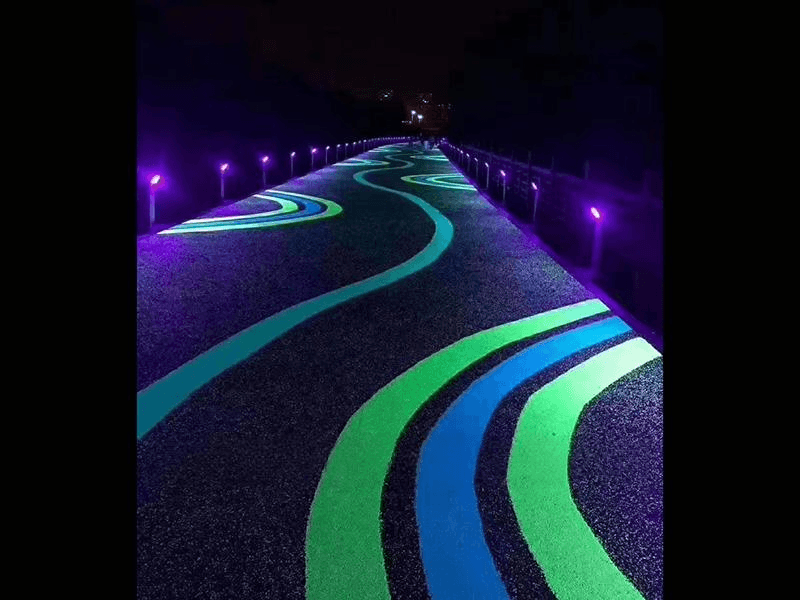
Applications of Self-Luminous Materials in Public Safety and Emergency Signage: Upholding Emergency Compliance, Strengthening Safety Defenses
Safety scenarios represent the core value domain where self-luminous materials are irreplaceable. They address the key pain point of traditional emergency signage—reliance on external power sources and failure during power outages—while meeting mandatory fire safety and emergency requirements to ensure safe evacuation of personnel.
Key Application Scenarios
- Shopping Malls, Hospitals, Schools: Self-luminous evacuation signs and emergency exit signs remain clearly visible during power outages or in environments with heavy smoke. They feature high initial brightness and an afterglow duration of 8–12 hours or more (brightness remains sufficient for visibility 10 minutes after activation), meeting fire safety compliance requirements.
- Underground parking garages, stairwells: Self-luminous stair treads and directional arrows require no power source, improving evacuation efficiency and reducing the risk of emergency incidents.
- Fire Safety Equipment Locations: Markers for fire extinguisher and fire hydrant locations enable rapid identification at night, allowing rescue personnel to locate them quickly and save valuable time.
Based on feedback from fire safety inspections across multiple regions, self-luminous emergency signage has an extremely high approval rate, and its service life far exceeds that of traditional reflective signage. Third-party testing confirms that its levels of radioactivity and heavy metals comply with safety standards, presenting no safety hazards, while also meeting the relevant requirements of the GB 13495 series for fire safety signage.
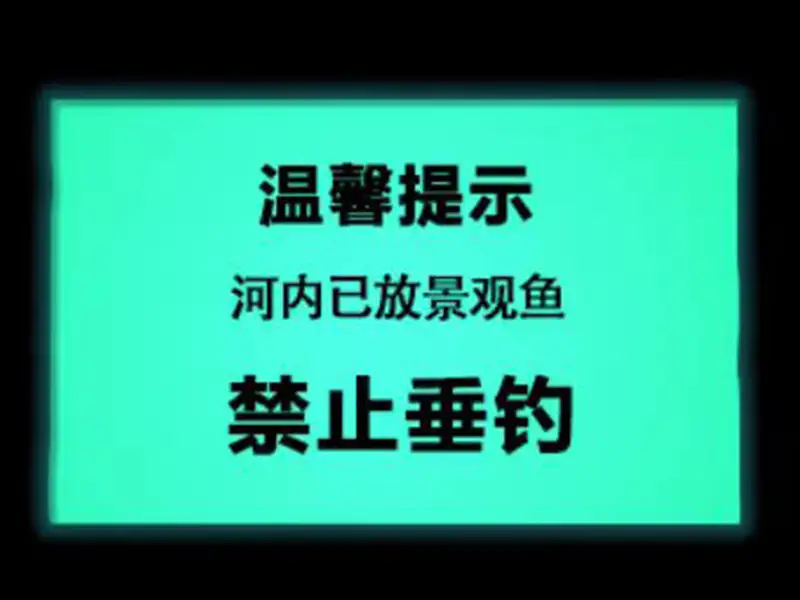
Applications of Self-Luminous Materials in Commercial and Architectural Decoration: Enhancing Brand Visibility and Reducing Operating Costs
Commercial settings prioritize nighttime visibility and brand differentiation. Self-luminous materials address the core pain points of traditional lighting—high costs and monotonous visual effects—helping businesses enhance nighttime visibility while reducing operational costs.
Key Application Scenarios
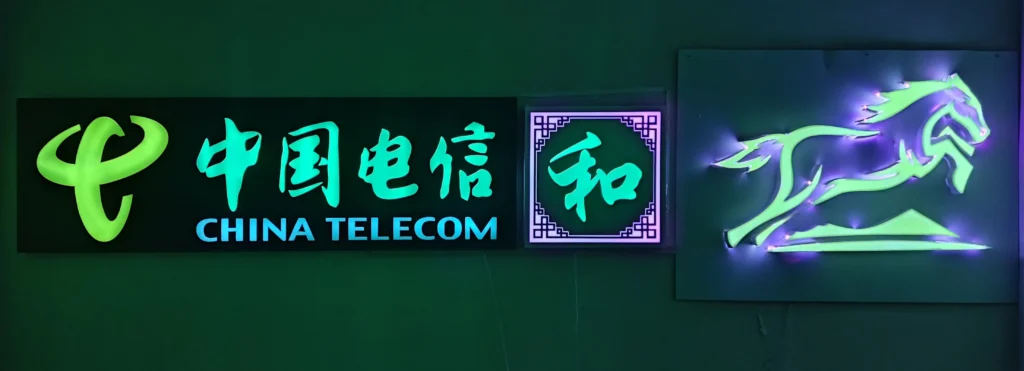
- Storefronts and Corporate Logos: Self-luminous lettering and multicolored signage stand out at night, featuring high initial brightness and an afterglow lasting 8–12 hours or more (visibility remains sufficient 10 minutes after activation). This reduces lighting electricity costs and boosts brand visibility.
- Office Buildings, Hotel Lobbies: Self-luminous mosaics and decorative tiles enhance a premium aesthetic, offer strong weather resistance, and require no replacement over the long term.
- Exhibitions and Visual Merchandising Installations: Custom luminous patterns quickly attract foot traffic and create memorable experiences, adaptable to various exhibition settings and reusable.
Many chain brands have incorporated self-illuminating storefronts into their standardized VI systems. A certain chain restaurant brand reported: “After installing the self-illuminating storefront, nighttime foot traffic increased by 25%, and monthly lighting electricity costs were reduced by nearly 1,000 yuan. The cost-effectiveness far exceeds that of traditional neon signs.”
Comparison of Mainstream Application Scenarios for Self-Luminous Materials (2026 Practical Edition)
| Application Scenarios | Core Product | Core Value | Typical Clients | Expected Lifespan |
| Municipal Roads | Self-Luminous Road Markers, Studs, and Pavers | Zero electricity costs, high safety, easy installation, cost-effective and efficient | Municipal Engineering, Transportation Departments | Over 20 years |
| Cultural and Tourism Attractions | Luminous stones, landscape sculptures, illuminated gateways | Attracts nighttime visitors, maintenance-free, visually striking, enhances the visitor experience | Scenic Areas, Cultural and Tourism Companies | Over 20 years |
| Landscaped Communities | Self-illuminating bricks, hanging ornaments, warning strips | Enhance aesthetics, ensure safety, and reduce costs while minimizing operational and maintenance burdens | Real estate and landscaping companies | Over 20 years |
| Safety and Emergency Response | Self-luminous signage, evacuation signs | Fire safety compliance, functional during power outages, long lifespan, reinforcing safety measures | Malls, Hospitals, Schools | Over 25 years |
| Commercial Decor | Illuminated lettering, storefronts, mosaic signs | Brand visibility, high visibility at night, energy savings—creating a unique identity | Retail stores, chain brands | Over 20 years |
4 Key Trends in Self-Luminous Material Applications for 2026
Aligning with national policy directions and industry practices in 2026, the application of self-luminous materials is showing four distinct trends that align with industry development and market demand:
- More Segmented Applications: Moving from general-purpose materials to specialized custom solutions—such as those designed for walkways, scenic areas, and fire safety—to precisely meet the core needs of different scenarios and enhance application effectiveness.
- Integrated Project Management: A one-stop service covering procurement, design, and construction reduces communication and implementation costs for clients, addresses the pain point of “cumbersome coordination across multiple stages,” and improves project execution efficiency.
- Growing Export Demand: Overseas buyers are purchasing large quantities of self-luminous granules and pavement materials for municipal and landscape projects abroad, particularly in Europe, the Americas, and Southeast Asia, with demand rising year by year.
- Policy-Driven Upgrades: With the advancement of national policies promoting green and low-carbon development, the night tourism economy, and the integration of culture and tourism, demand for self-luminous materials in municipal and scenic area projects across the country has surged significantly, and the benefits of these policies continue to materialize.
Conclusion
Self-luminous materials are no longer merely a conceptual product but have become a green material essential to various industries in 2026. From municipal roads to cultural and tourism night tours, and from landscaped residential communities to safety and emergency applications, these materials continue to deliver practical value through their electricity-free, maintenance-free, safe, and eco-friendly advantages.
Anyang Qingda Trading specializes in the global supply of self-luminous materials, offering direct factory sourcing, free samples, and one-stop engineering services to support domestic project implementation and overseas exports. Please feel free to contact us for free samples or project proposals.
Company Name: Anyang Qingda Trading Co., Ltd.
Company Address: Anyang, Henan (Business coverage nationwide; serving global overseas buyers; assisting newcomers in foreign trade exports; holds official customs registration credentials)
Email: contact@qingdatrade.com
Website: https://qingdatrade.com/
Contact Information: Phone / WeChat / WhatsApp / LINE / Telegram: +86 178 3851 0628